
The Ultimate Guide to Finding & Matching Vintage Roof Tiles in 2026
- vrtcorp2019
- Feb 10
- 3 min read
Updated: Mar 2
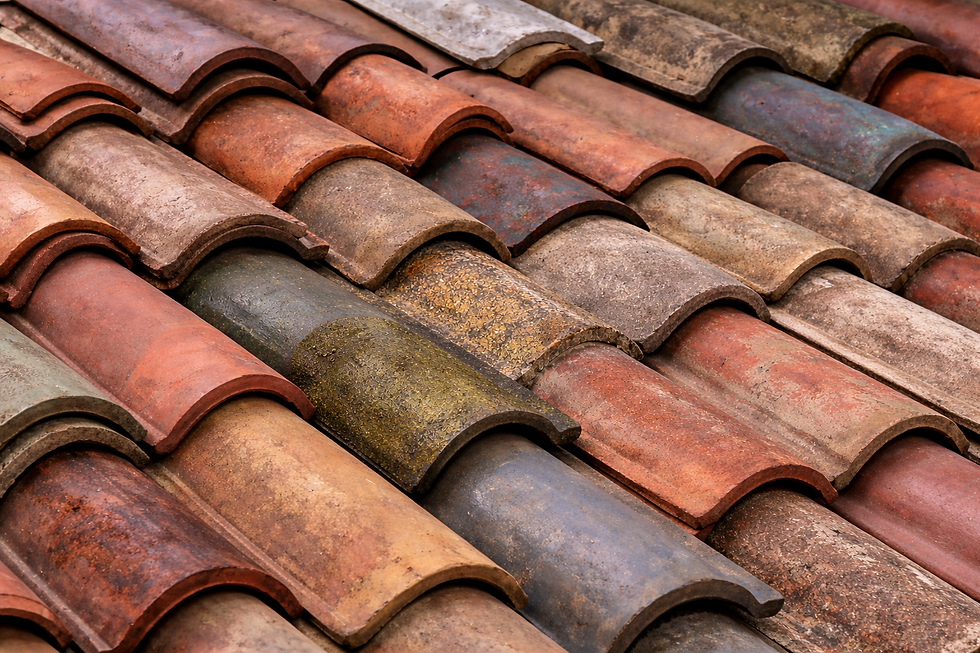
Vintage roof tiles are more than a functional roofing material—they’re a defining architectural feature.
Whether you own a historic home, manage a restoration project, or are repairing a small section of an older roof, finding and matching vintage roof tiles in 2026 can feel overwhelming. With many styles discontinued and modern alternatives often falling short, knowing how to approach the process is essential.
This guide breaks down why vintage roof tiles matter, the challenges homeowners face, and how to successfully source and match rare or hard-to-find tiles with confidence.
Why Vintage Roof Tiles Matter
Vintage roof tiles play a critical role in preserving architectural integrity and character. Clay and concrete tiles used decades ago were often handmade or produced in limited regional styles, giving each roof a unique appearance. Replacing these tiles with modern substitutes can disrupt the visual harmony of a home and, in some cases, impact its historical value.
For historic properties, accurate tile matching is especially important. Many preservation guidelines require maintaining original materials whenever possible. Even for non-historic homes, maintaining a consistent roof appearance protects curb appeal and long-term property value.
Common Challenges with Discontinued or Historic Tiles
One of the biggest hurdles homeowners face is discovering that their roof tile is no longer manufactured. Tile manufacturers frequently discontinue lines due to changing demand, production costs, or material availability. As a result, even roofs installed 20–30 years ago can contain tiles that are nearly impossible to find through standard suppliers.
Additional challenges include:
Variations in color due to aging and weather exposure
Subtle differences in size, thickness, and profile
Lack of manufacturer markings or documentation
Limited local inventory for older tile styles
These factors make tile matching far more complex than simply choosing a similar color or shape.
How to Identify Your Existing Roof Tiles
Proper identification is the foundation of successful tile matching. Start by examining the tile closely and noting key characteristics:
Shape & Profile: Is it flat, S-shaped, mission, barrel, or interlocking?
Material: Clay and concrete age differently and require different matching approaches.
Color & Finish: Look beyond surface color—check the core color and any glazing.
Markings: Some tiles have manufacturer stamps, codes, or logos on the underside.
Photograph the tile from multiple angles and, when possible, remove a sample for closer inspection. Accurate identification significantly improves the chances of finding a true match.
Best Practices for Sourcing Rare or Hard-to-Find Tiles
When dealing with discontinued roof tile sourcing, expertise matters. General roofing suppliers often lack access to vintage inventory, while specialists focus exclusively on rare and reclaimed materials.
Best practices include:
Working with suppliers who specialize in vintage roof tiles
Using nationwide or regional inventory networks
Comparing multiple samples to ensure the closest match
Accounting for color variation due to age and patina
Patience and flexibility are key. In some cases, a near-perfect match is preferable to forcing a modern substitute that stands out over time.
Case Studies: Successful Matches with Vintage Roof Tile
Vintage Roof Tile has helped homeowners, contractors, and property managers solve complex tile matching challenges across the western U.S.
In one project, a homeowner needed replacement tiles for a Spanish-style roof damaged during a storm. The original tiles had been discontinued for decades. By identifying the tile profile and sourcing reclaimed inventory, Vintage Roof Tile provided a match that blended seamlessly with the existing roof.
In another case, a historic property required exact clay tile replacements to meet preservation standards. Through careful sourcing and side-by-side comparisons, the project was completed without compromising the building’s historic character.
Tips for Working with Professionals & Delivery Logistics
Partnering with experienced professionals like Vintage Roof Tile, San Jose simplifies the process and reduces costly mistakes. When working with a vintage tile specialist, be prepared to share detailed photos, measurements, and timelines.
Delivery logistics also matter. Vintage tiles are heavy and fragile, requiring careful handling and transportation. Confirm lead times, delivery areas, and packaging methods before finalizing an order to avoid delays during installation.
Final Thoughts
Finding and matching vintage roof tiles in 2026 doesn’t have to be a guessing game. With the right knowledge, careful identification, and support from experienced specialists, it’s possible to preserve your roof’s character while ensuring long-term durability.
Whether you’re tackling a small repair or a full historic roof restoration, sourcing the right tile makes all the difference.
Call us today to find matching roof tiles for your project.
By: Dave Helmuth


Comments